01 · ASK
Name the terrain
A real question shapes the space of the reading. You can be specific, uncertain, practical, or simply curious.
Ask something that matters. Draw a spread. Then stay with it long enough to ask a second question. Soul Spindle treats tarot as a symbolic language for reflection—not a verdict delivered from somewhere else.
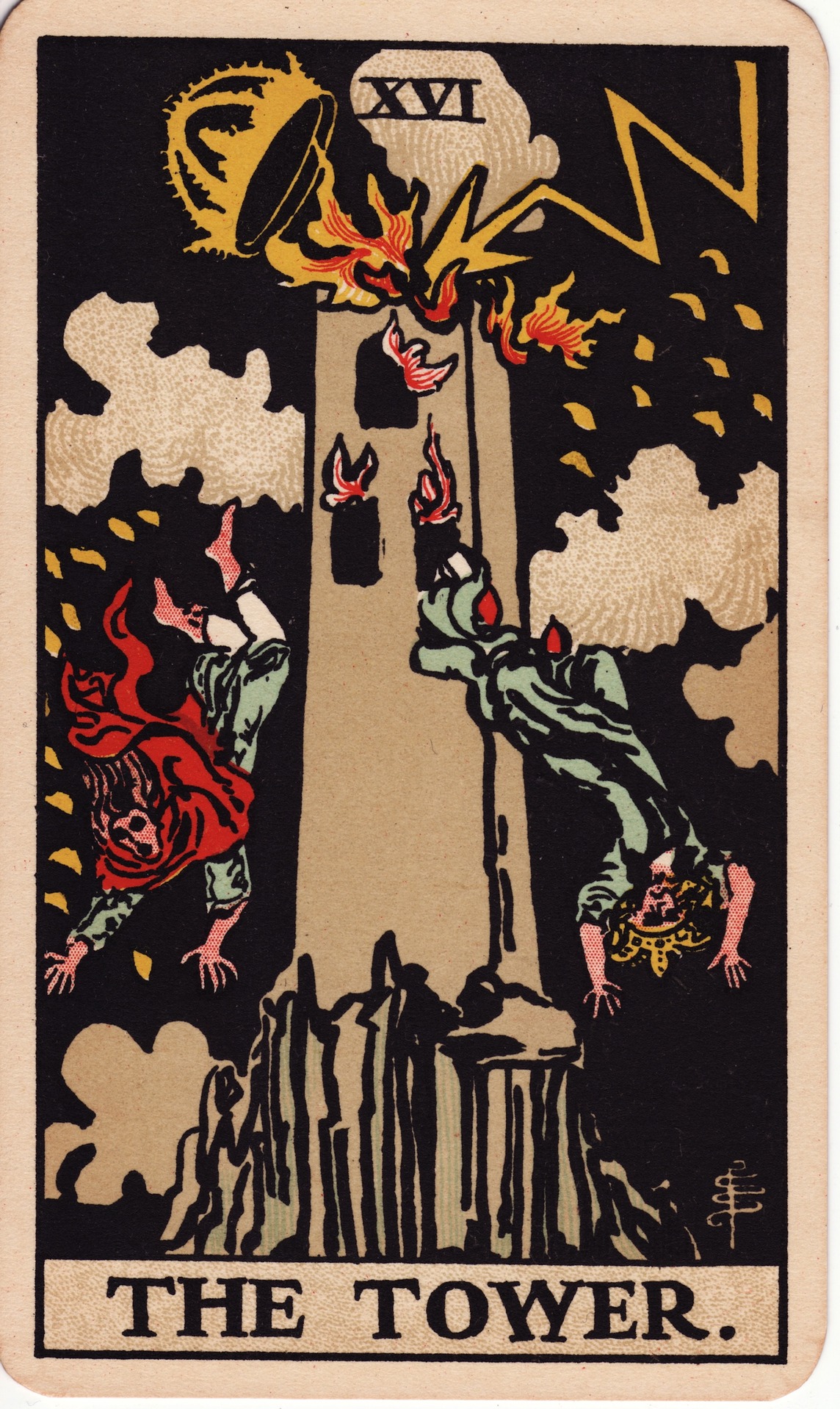
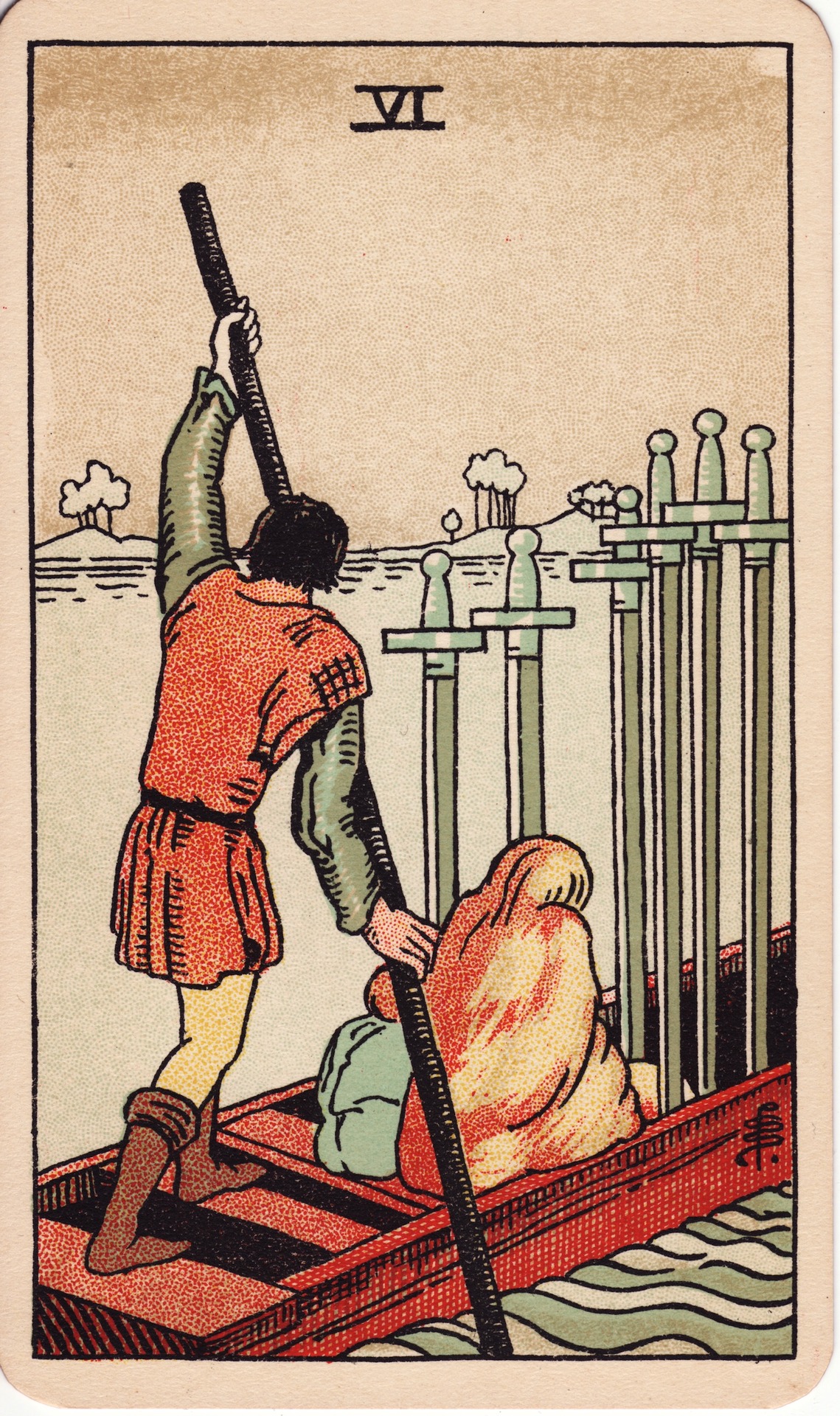
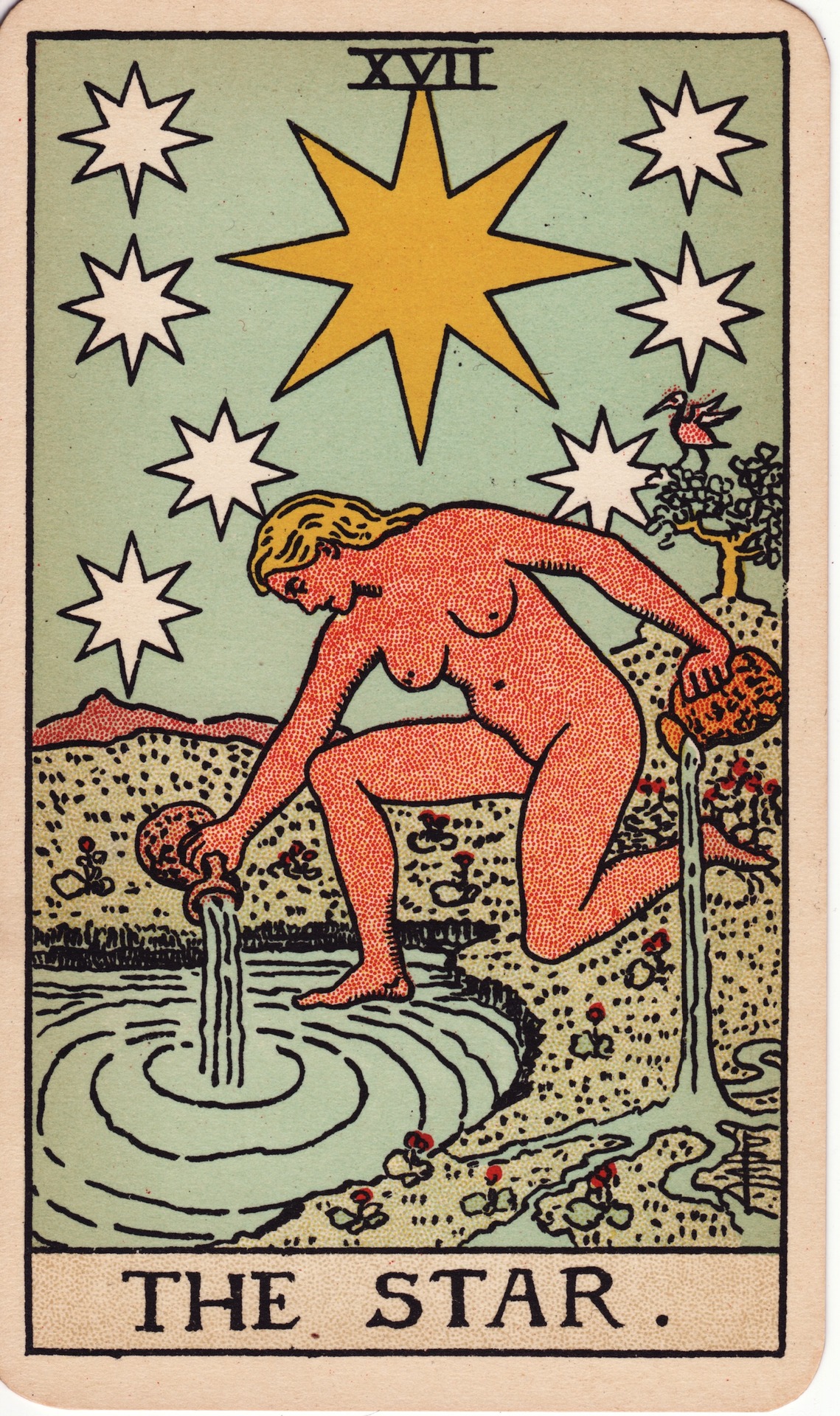
The cards provide the vocabulary. Your question provides the direction.
Most digital readings stop after displaying a meaning. This one retains the question, the positions, and the cards so you can challenge, narrow, or reopen the interpretation.
A real question shapes the space of the reading. You can be specific, uncertain, practical, or simply curious.
The spread constrains the roles. The cards add interruption, contrast, and language you may not have reached directly.
Continue with the active spread: ask about one card, the tension between two, the obstacle, the advice, or what remains unresolved.
Independent tools sharing one premise: symbols are most useful when they help attention move.
Natal charts, transits, synastry, aspects, nodes, and a restrained workspace built for actual chart reading.
The original self-contained spread reader remains intact for quick draws and familiar card meanings.
Browse the complete deck and its upright and reversed meanings without leaving the collection.
Fifty-five original symbols organized as archetypes, contexts, dynamics, elements, and modifiers.
A good symbolic system does not need to predict your life to alter what you can notice.
Soul Spindle uses structured ambiguity deliberately. A card can interrupt a stale explanation, expose a missing distinction, or give a difficult question somewhere new to begin.
The conversational reader runs from the material bundled with the page. It does not send your question to a remote model. It can be wrong, awkward, or unexpectedly useful—and it should remain possible to see which one happened.